

Beginner’s Guide to Injection Moulding
Injection moulding is one of the most widely used manufacturing processes for producing plastic parts at scale. From automotive components to everyday consumer products, it enables consistent, high-quality production with minimal waste.
For those new to the process, understanding how injection moulding works and how to get started is essential before investing in equipment or tooling.
What is Injection Moulding?
Injection moulding is a manufacturing process where molten plastic is injected into a mould cavity, cooled, and then ejected as a finished part.
The basic process involves:
- Heating plastic material until molten
- Injecting it into a mould under pressure
- Cooling and solidifying the material
- Ejecting the finished component
How the Process Works
Key components of the process include:
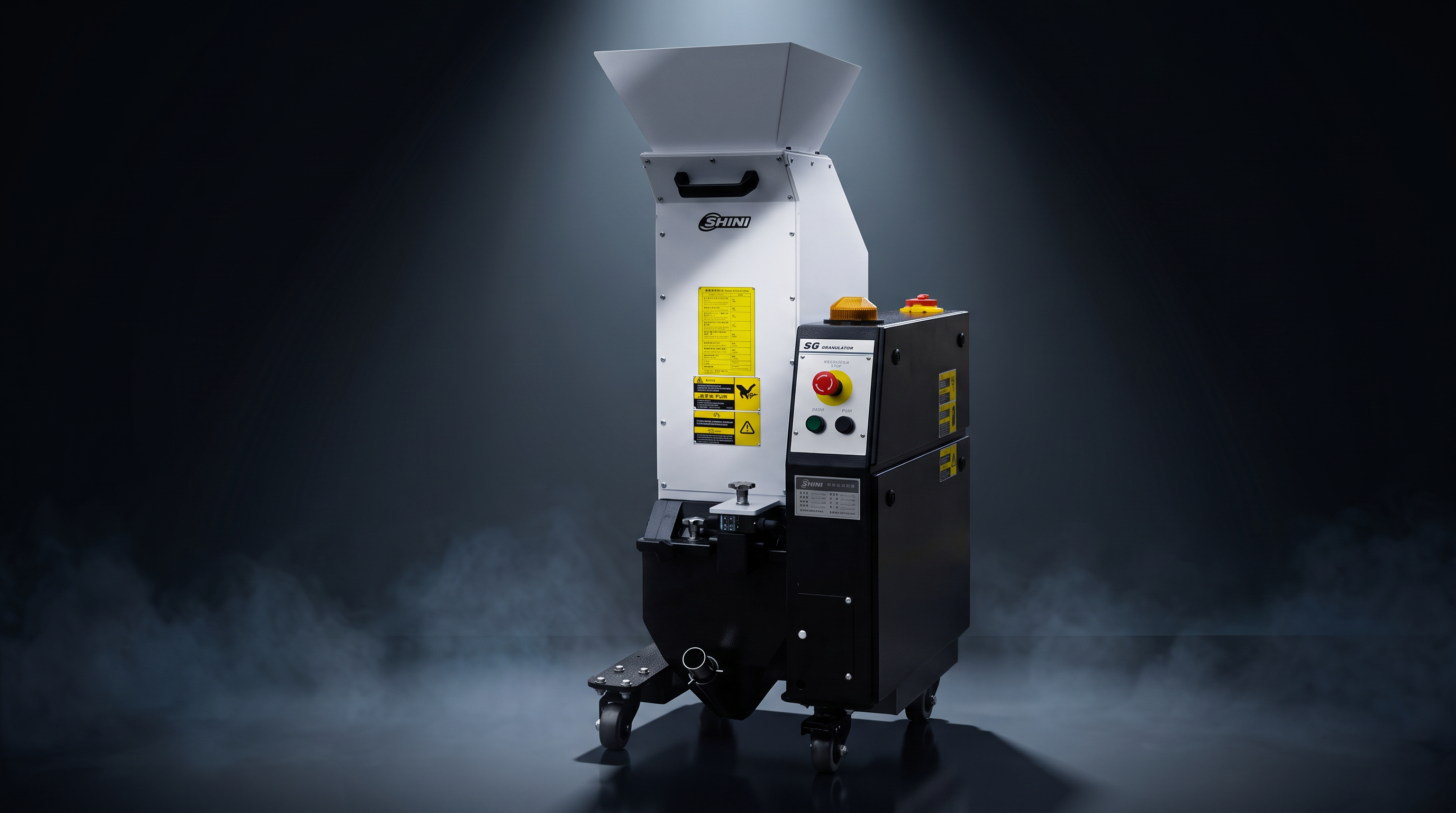
- Hopper – feeds plastic pellets into the machine
- Barrel and screw – melts and moves the material
- Mould tool – shapes the final product
- Clamping unit – keeps the mould closed during injection
How Beginners Typically Get Started
- Prototyping a Product Idea
Most beginners start with a product idea and create a prototype using:
- 3D printing
- CNC machining
- Soft tooling (aluminium moulds)
This allows validation of the design before committing to full production tooling.
- Using Small-Scale Machines
Entry into injection moulding does not always require large industrial machines. Many businesses begin with compact systems like:
- Benchtop or desktop moulding machines
- Babyplast machines for small batch production
These machines are ideal for:
- Low-volume production
- Product testing
- Niche manufacturing
How to Get Set Up for Injection Moulding
Getting started with injection moulding requires more than just the machine itself. A complete setup includes core equipment, supporting ancillaries, and process control systems to ensure consistent, high-quality production.
Core Requirements
At a minimum, you will need:
- Injection moulding machine
- Mould tooling (custom to your part)
- Raw plastic materials
However, to run efficiently and reliably, a range of ancillary equipment is essential.
Essential Ancillary Equipment
A fully functional moulding cell typically includes:
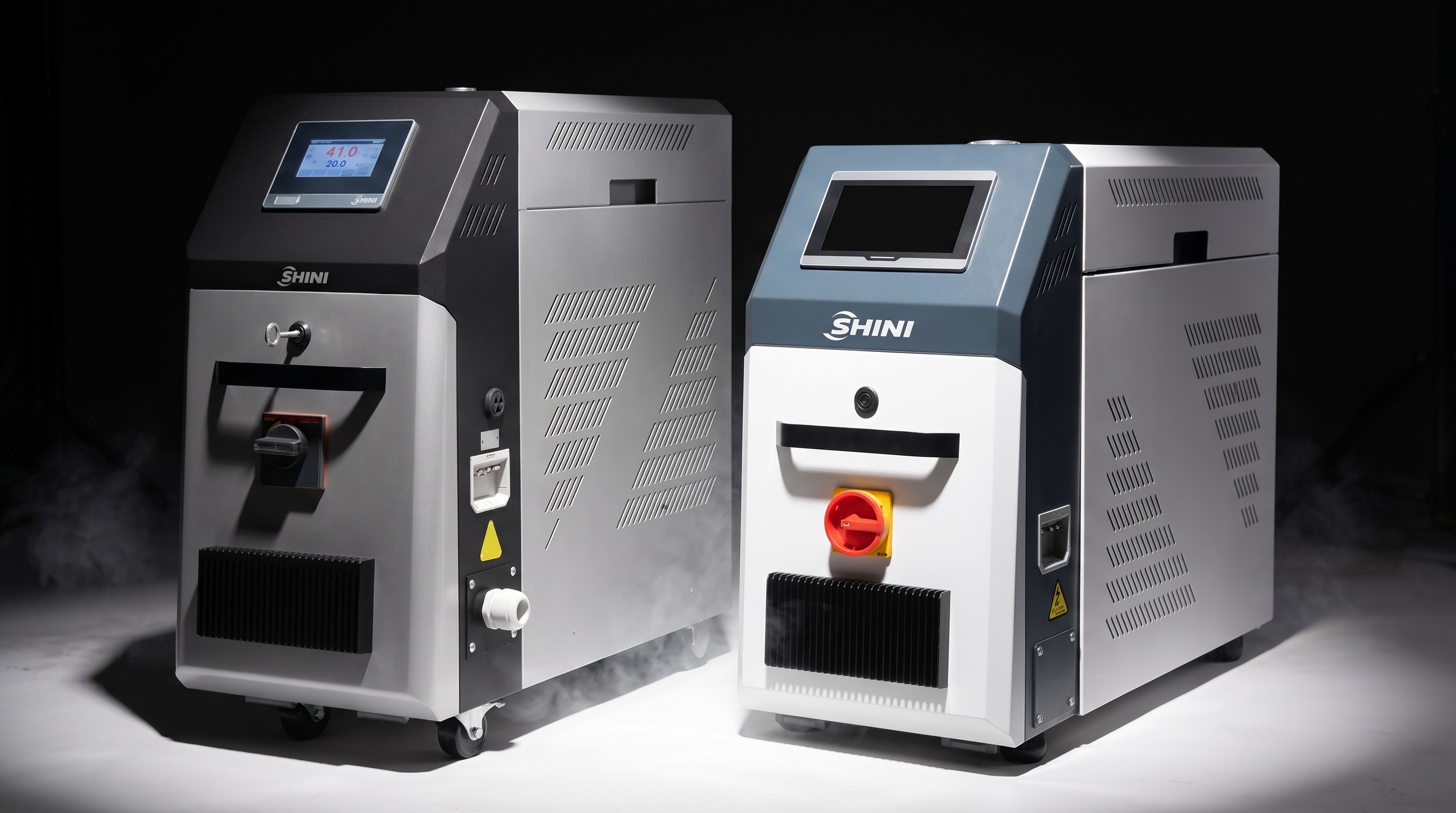
- Chillers – provide cooling for the machine and process, helping maintain stable operating temperatures and improve cycle efficiency
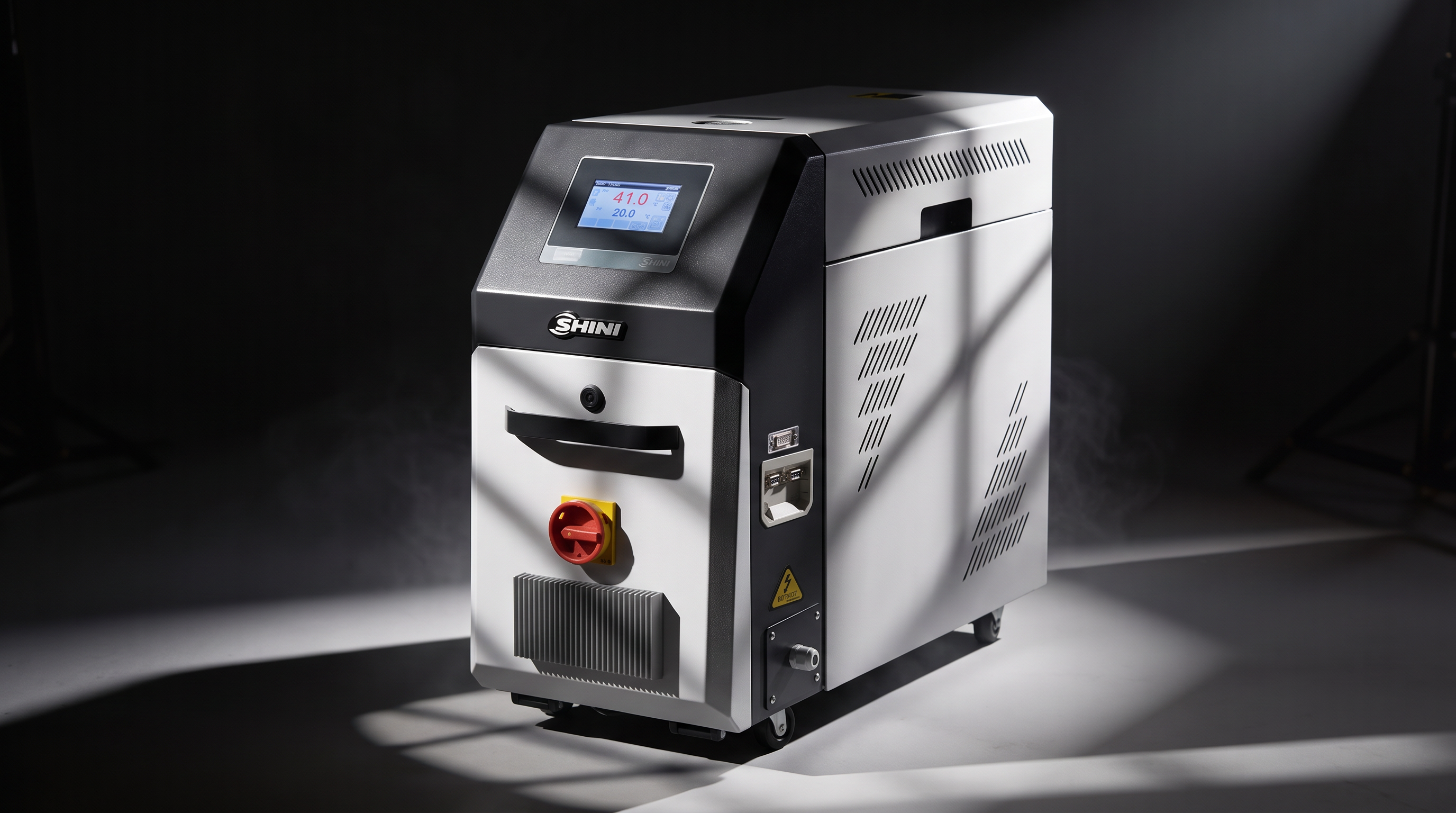
- Mould temperature controllers (tool heaters) – ensure precise thermal control of the mould
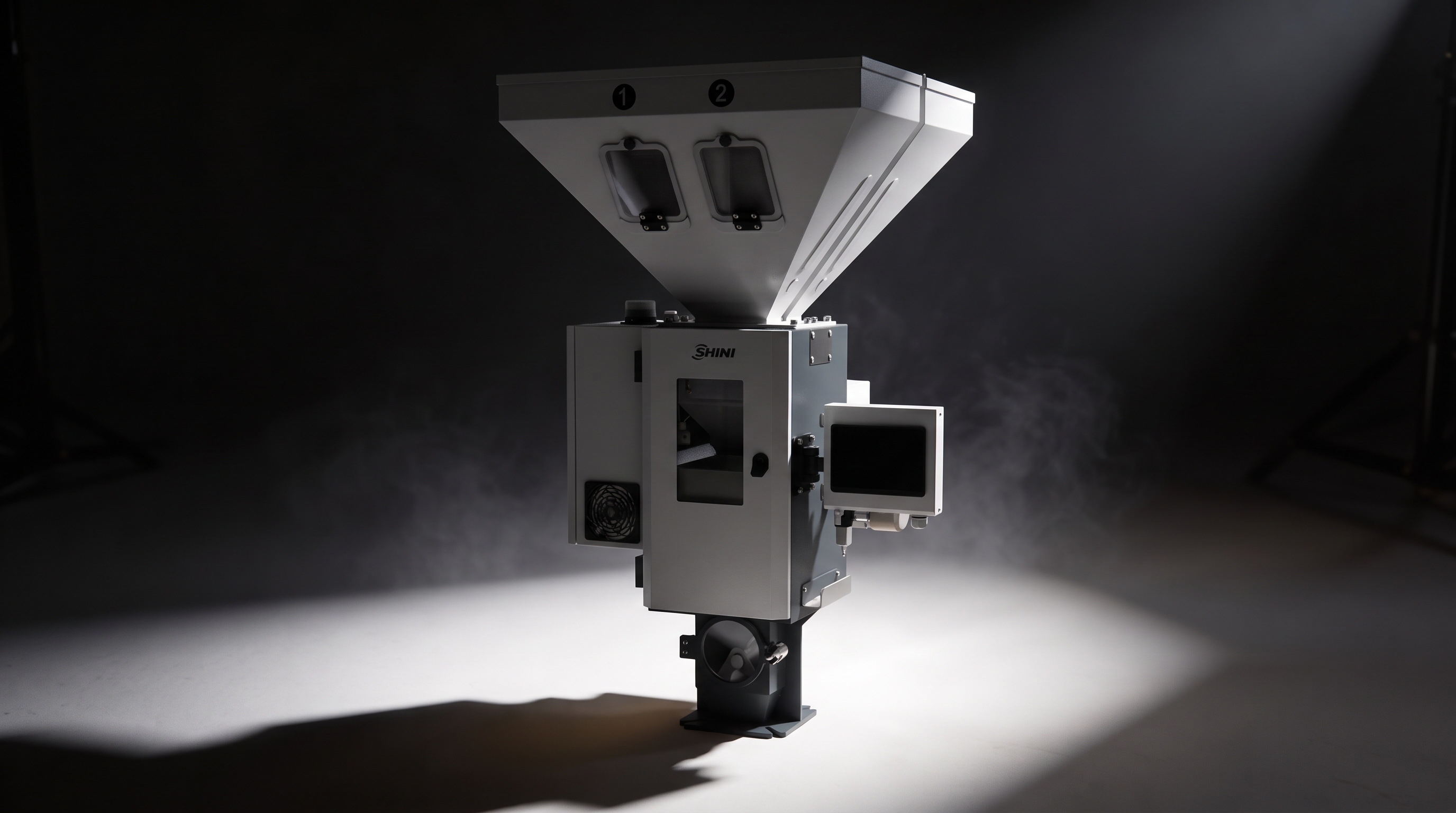
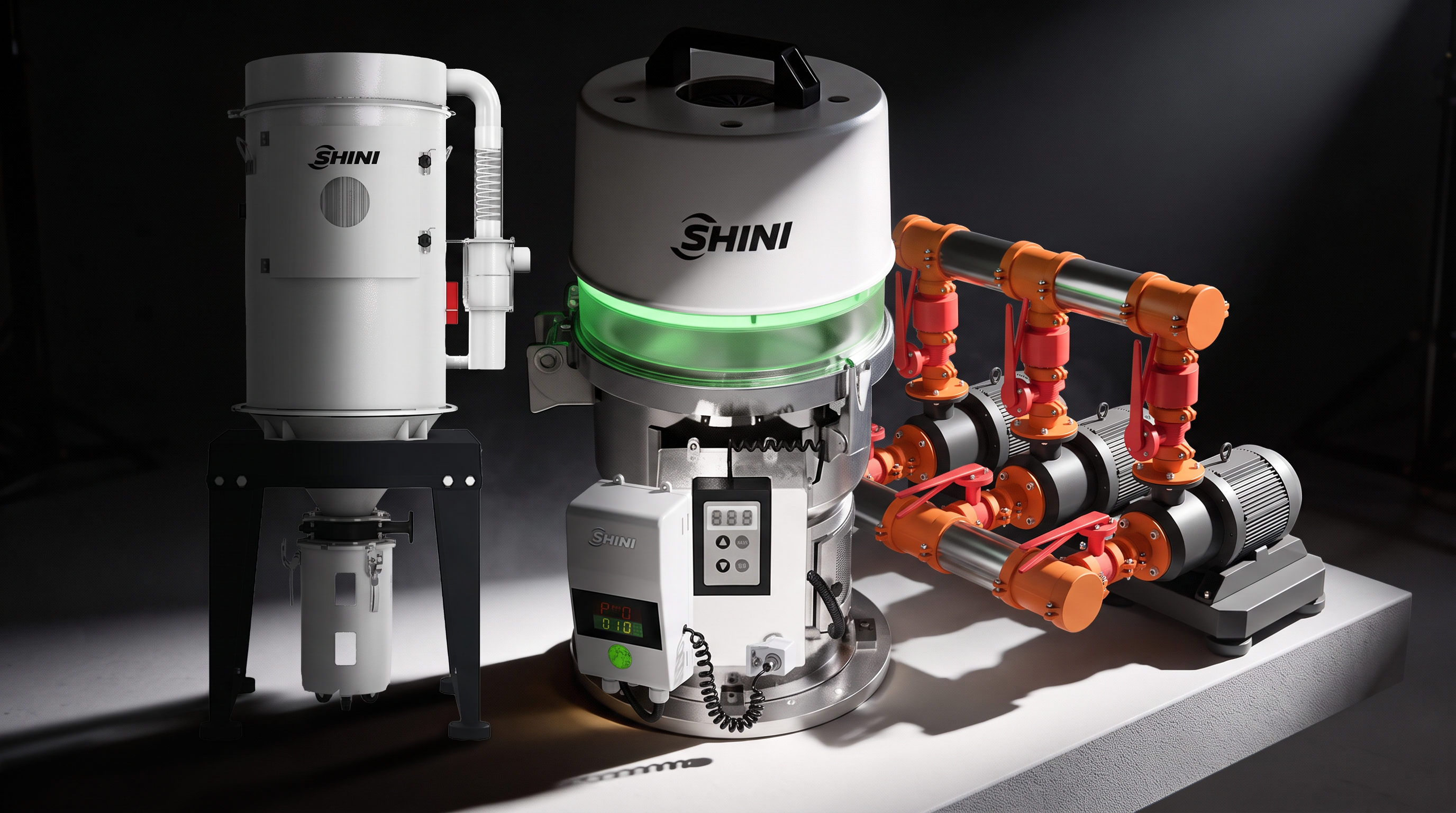
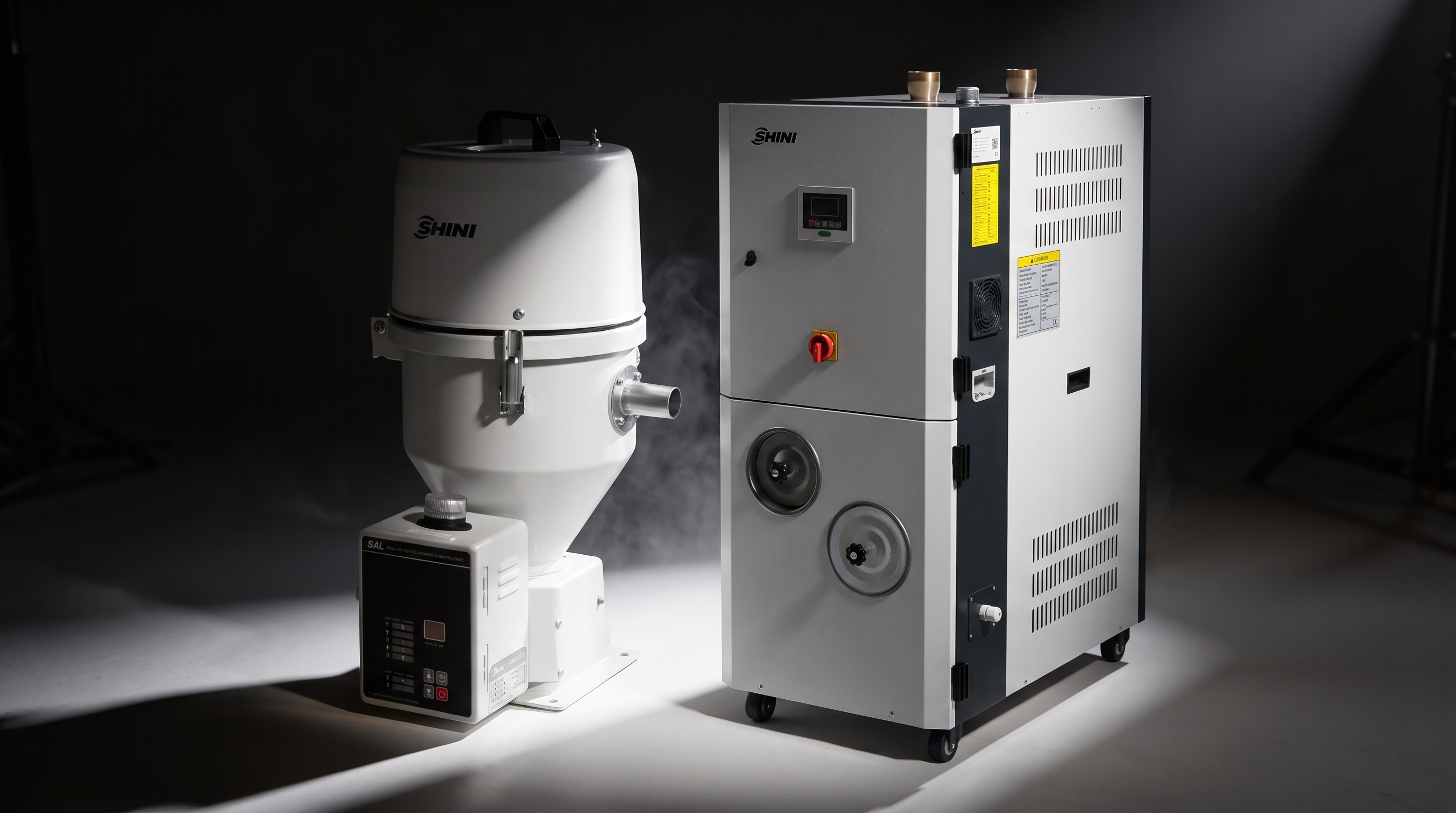
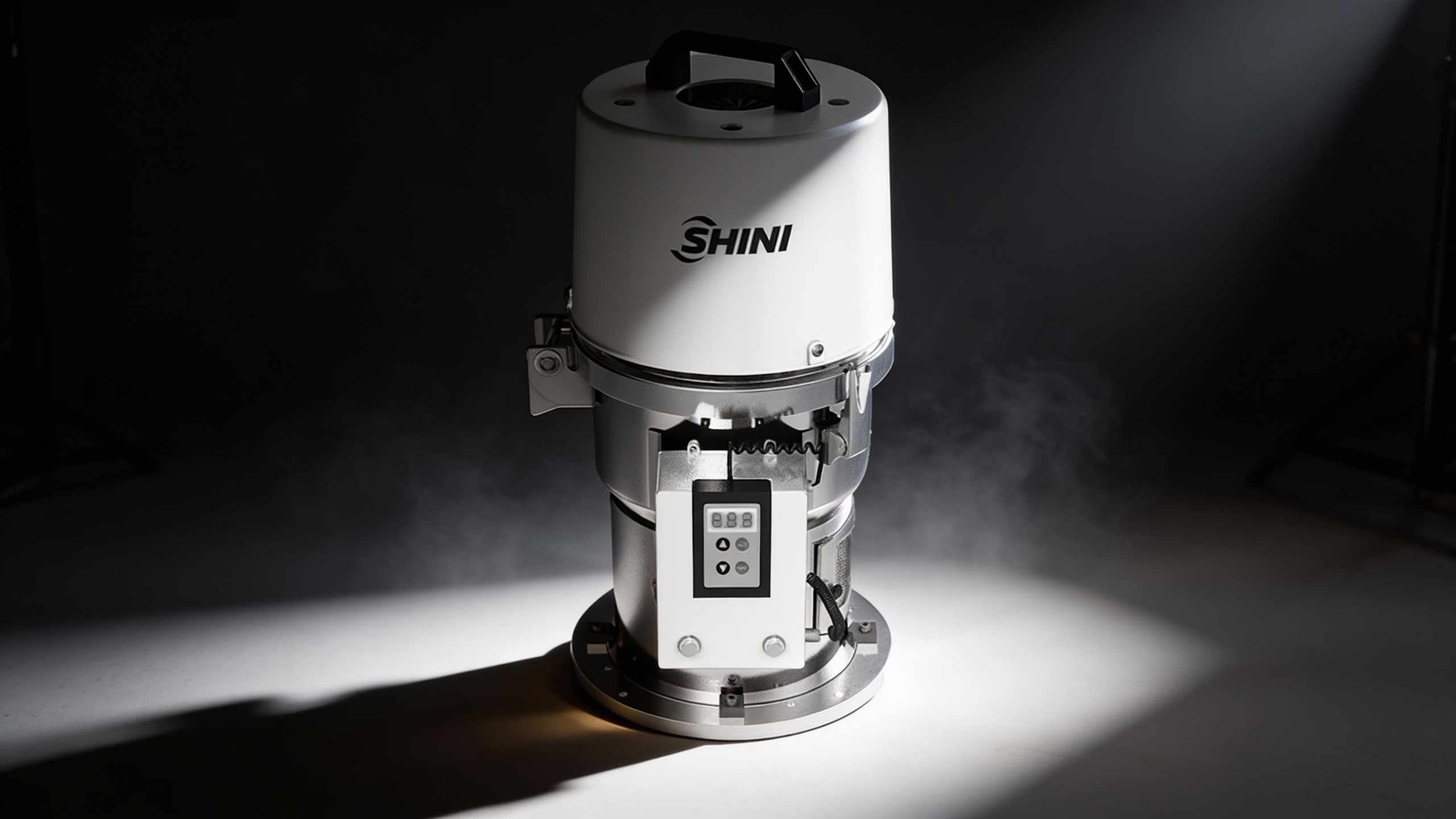
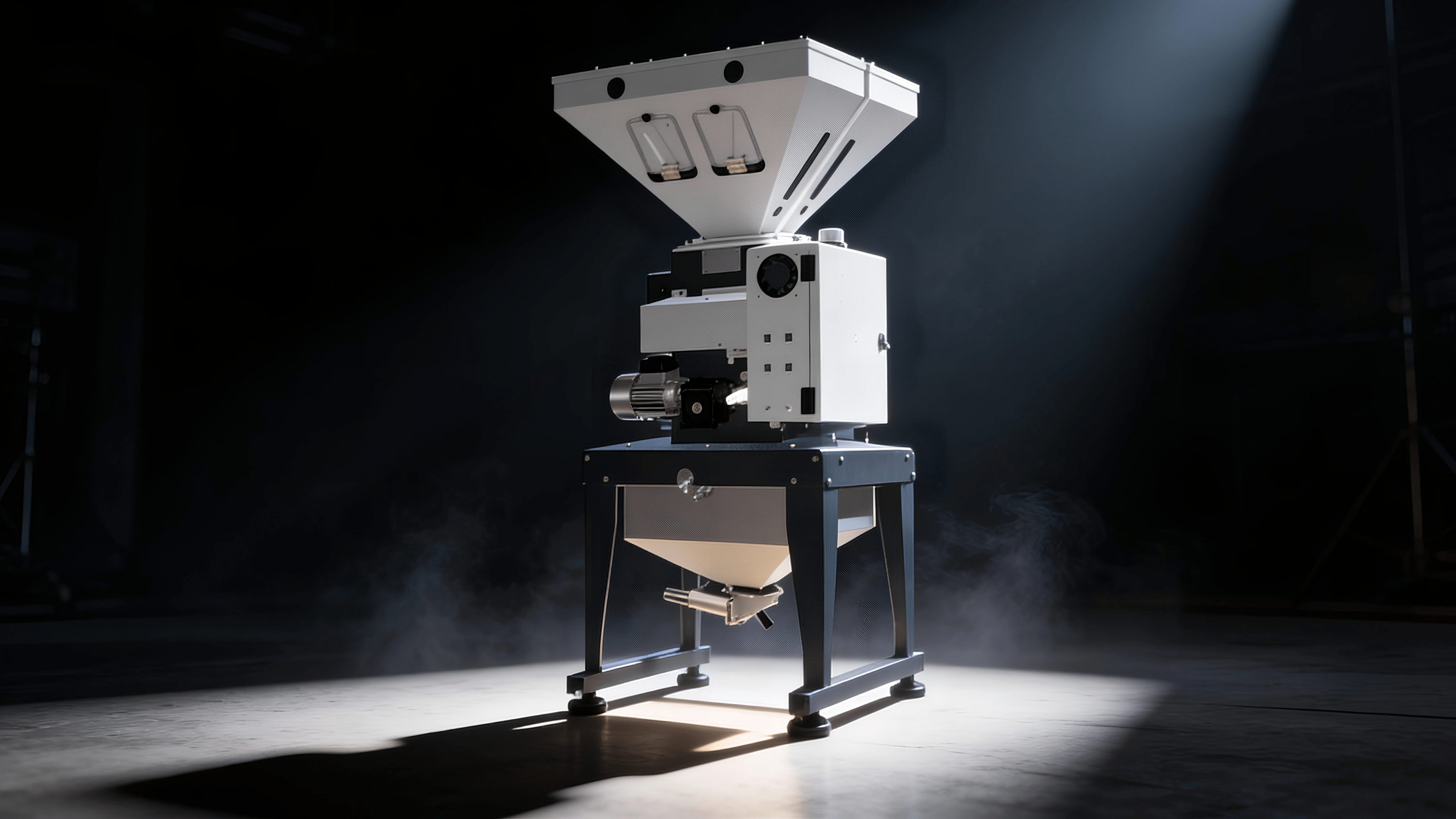
- Hopper loaders – automate material feeding and reduce manual handling
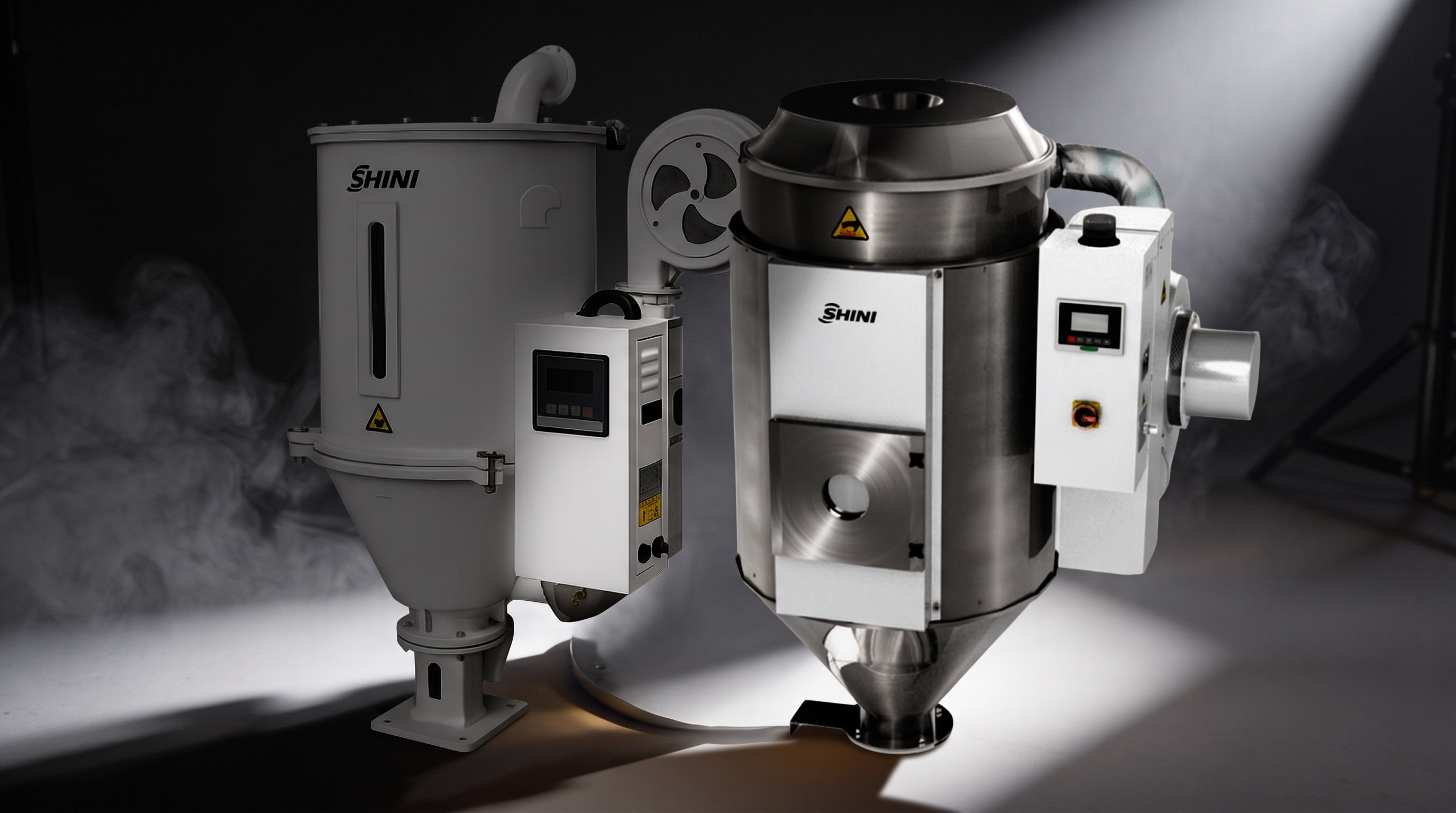
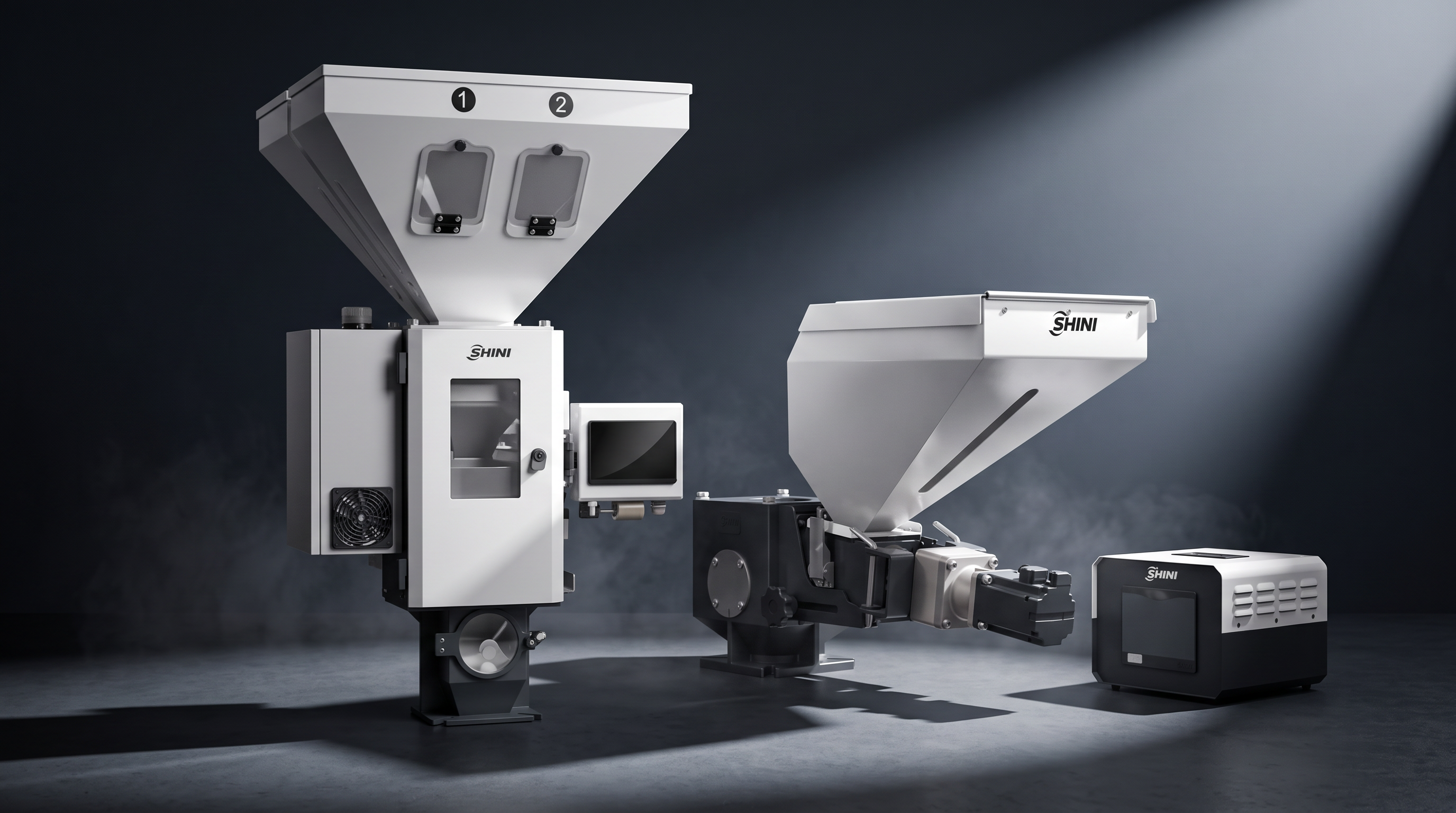
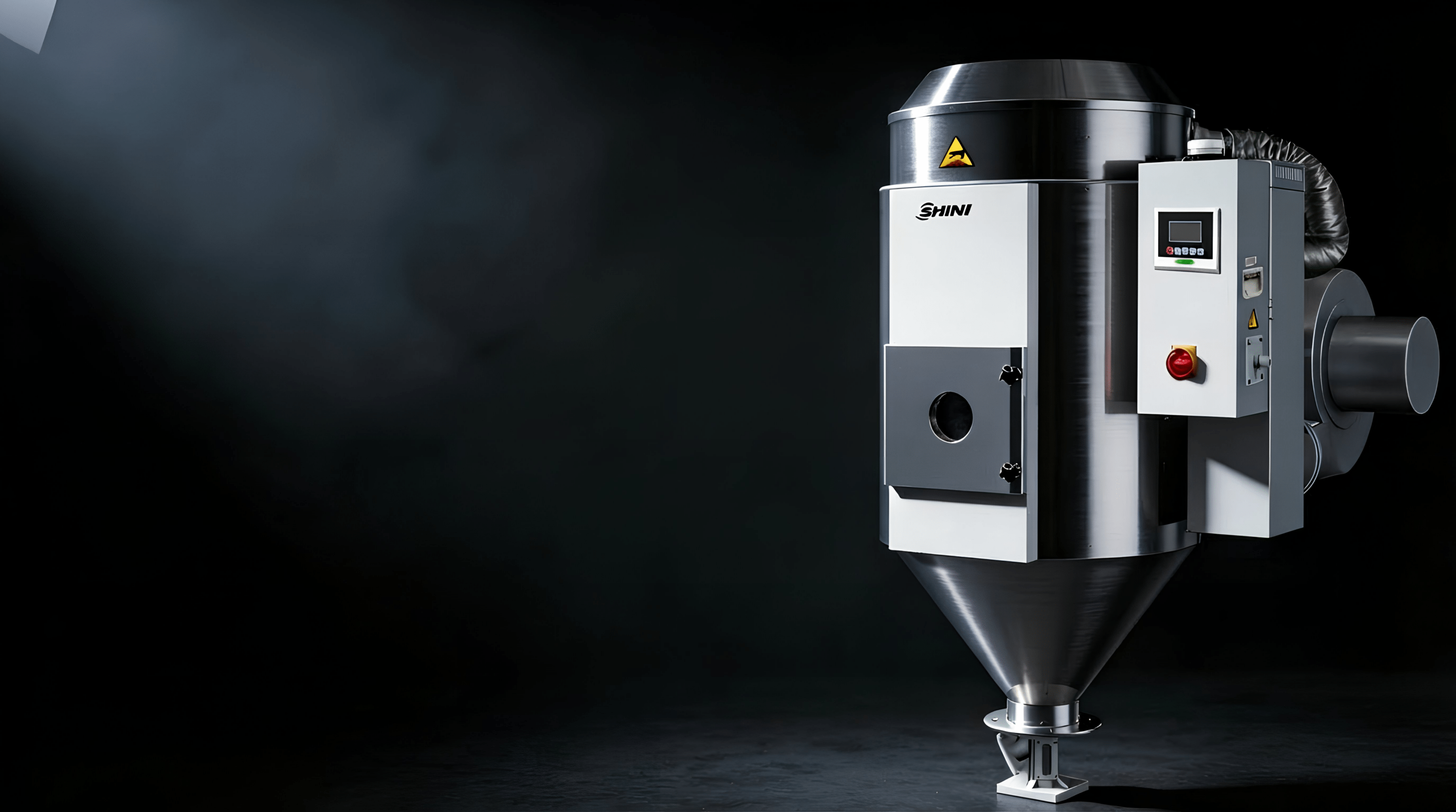
- Dryers and dehumidifiers – remove moisture from materials to prevent defects
High-quality ancillary equipment plays a critical role in part consistency, machine efficiency, and overall process stability. Shini UK provide a comprehensive range of these systems, enabling manufacturers to build reliable, fully integrated moulding setups.
Automation and Integration
As production grows, additional automation can be introduced, including:
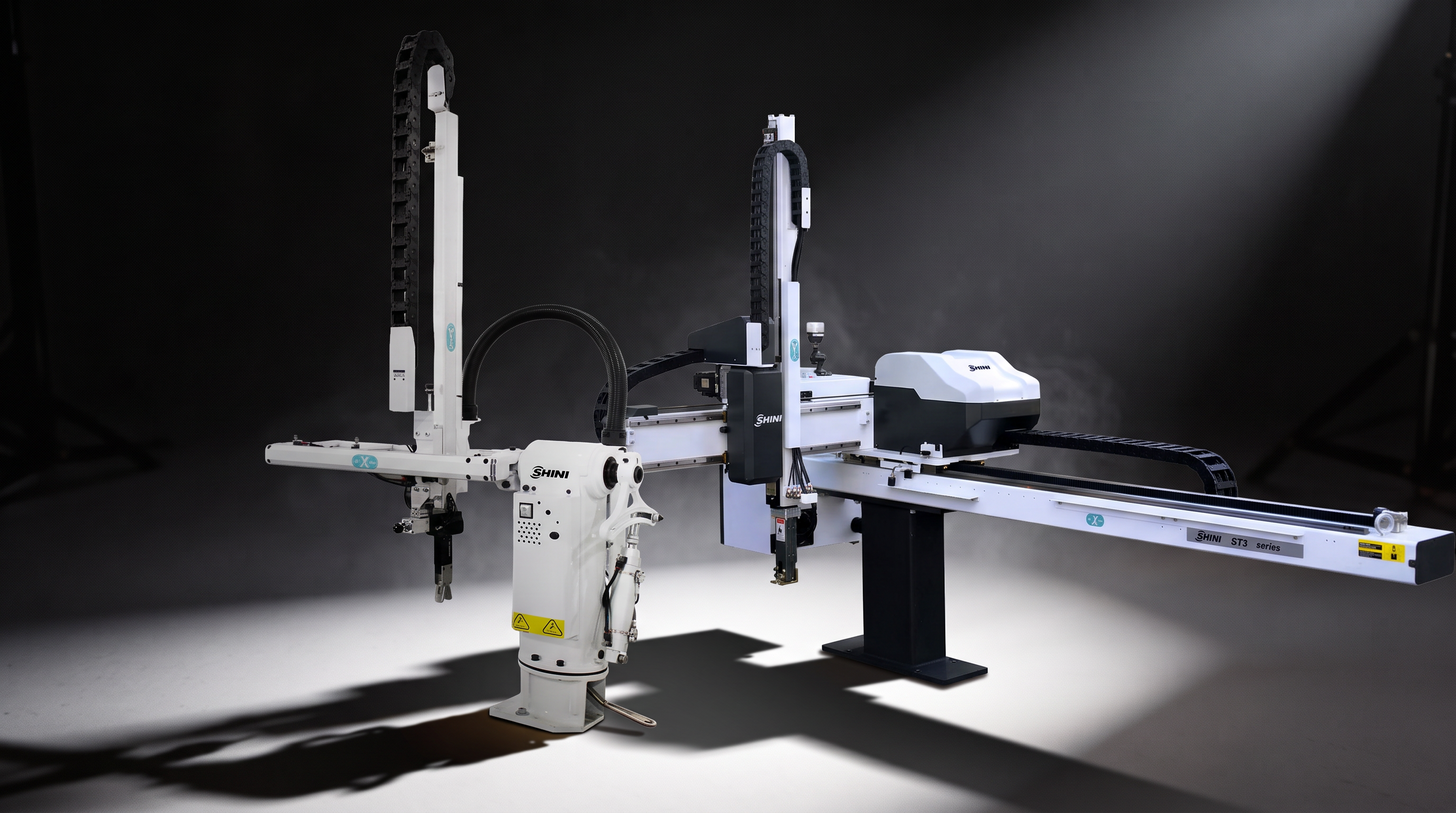
- Robotic part removal
- Conveyor systems
- Centralised material handling systems
Ancillary suppliers like ourselves (Shini UK) ensures compatibility, scalability, and ongoing support as your operation expands.
Key Equipment You’ll Need
To run injection moulding in-house, the core requirements are:
- Injection moulding machine
- Mould tooling (custom to your part)
- Raw plastic materials
- Cooling system
- Material handling equipment
Tooling is typically the largest upfront cost, often exceeding the cost of the machine itself for complex parts.
Materials Commonly Used
Different plastics offer different properties. Common materials include:
- Polypropylene (PP) – flexible and cost-effective
- ABS – strong and impact resistant
- Polyethylene (PE) – lightweight and durable
- Nylon (PA) – high strength and temperature resistance
Material selection depends on the application, required strength, and environmental conditions.
Common Beginner Mistakes
New entrants to injection moulding often face similar challenges:
- Underestimating tooling costs
- Choosing the wrong material
- Incorrect machine sizing
- Ignoring cycle time optimisation
Understanding these early helps avoid costly delays and rework.
Cost Considerations
Starting injection moulding involves several cost factors:
- Machine investment
- Tooling costs
- Material costs
- Energy consumption
- Labour and maintenance
Small-scale solutions can significantly reduce initial investment while still enabling production.
When to Scale Up
As demand increases, businesses typically transition to:
- Larger machines with higher output
- Multi-cavity moulds
- Automation and robotics
Scaling should be driven by consistent demand and clear return on investment.
Conclusion
Injection moulding offers a powerful route to scalable manufacturing, but success depends on making the right decisions early. Whether starting with prototyping, outsourcing, or small-scale machines, a structured approach allows businesses to minimise risk and build towards efficient, high-volume production.
Understanding the fundamentals ensures a smoother transition from idea to full-scale manufacturing.