

What Is a Plastic Granulator? A Practical Guide for Injection Moulding and Recycling
How plastic granulators turn sprues, runners and rejected parts into reusable regrind.
Plastic waste is an unavoidable part of many injection moulding and extrusion processes. Sprues, runners, start-up waste and rejected components can quickly fill bins and increase disposal costs. A plastic granulator reduces this material into smaller, consistent particles that may be easier to store, handle or return to production.
What Is a Plastic Granulator?
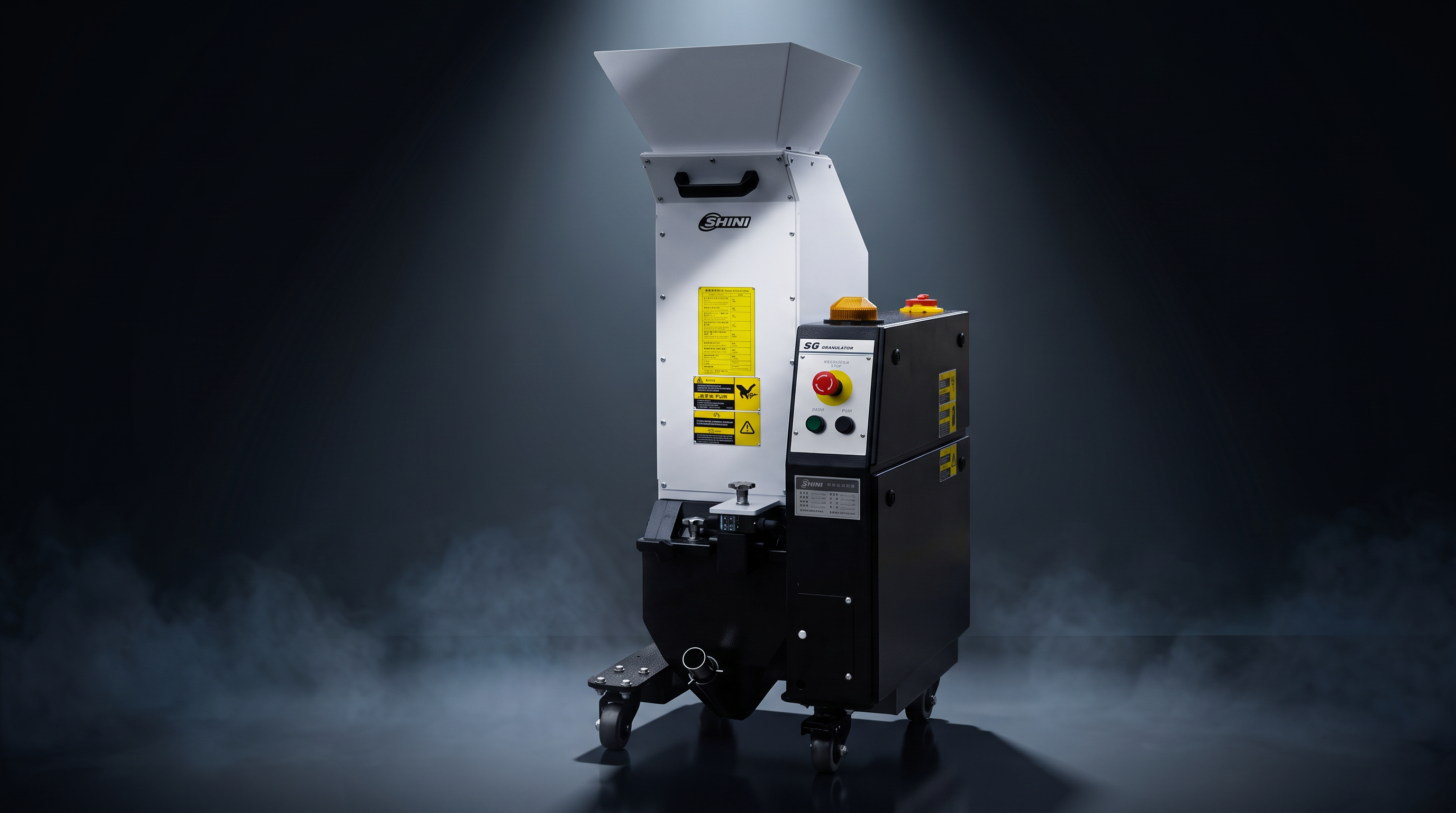
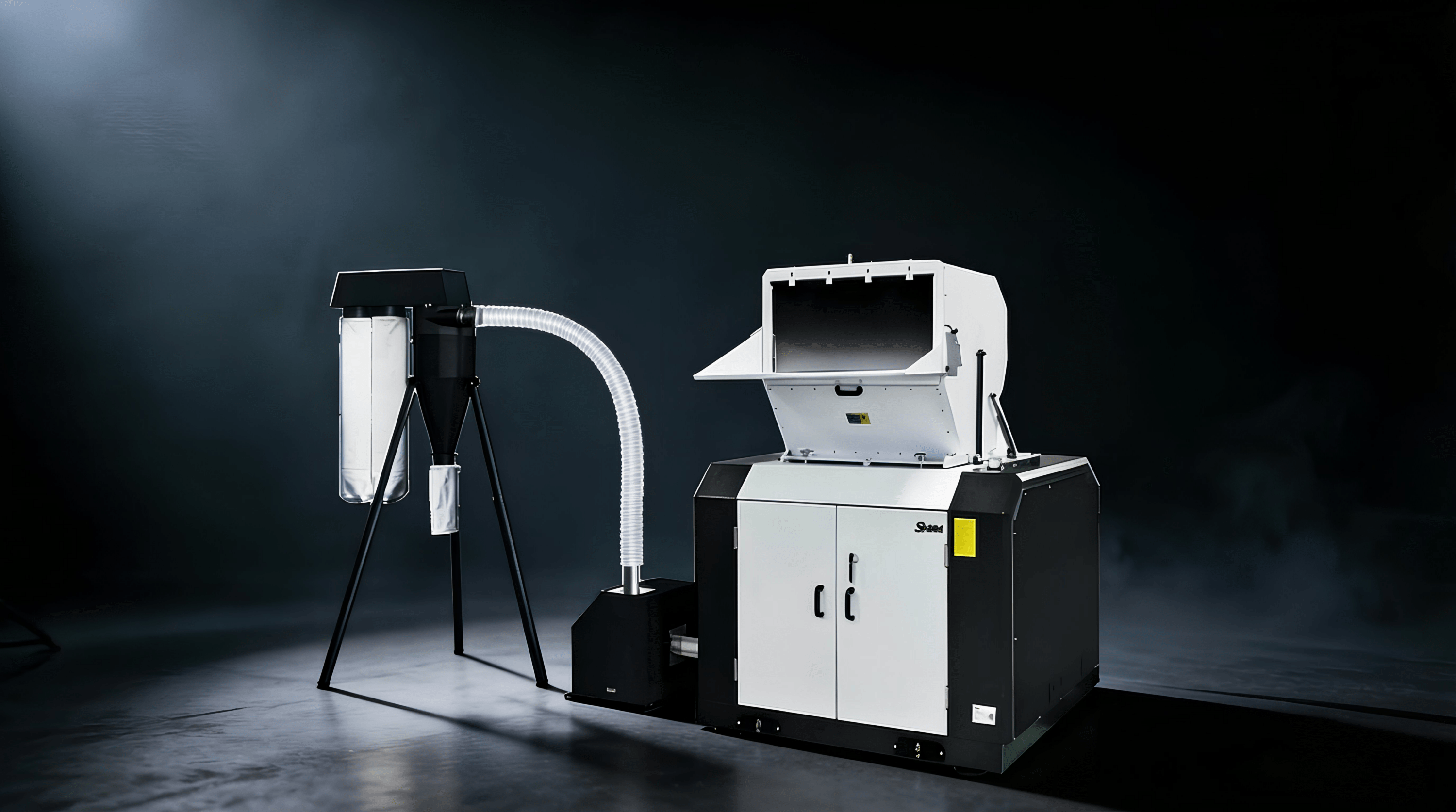
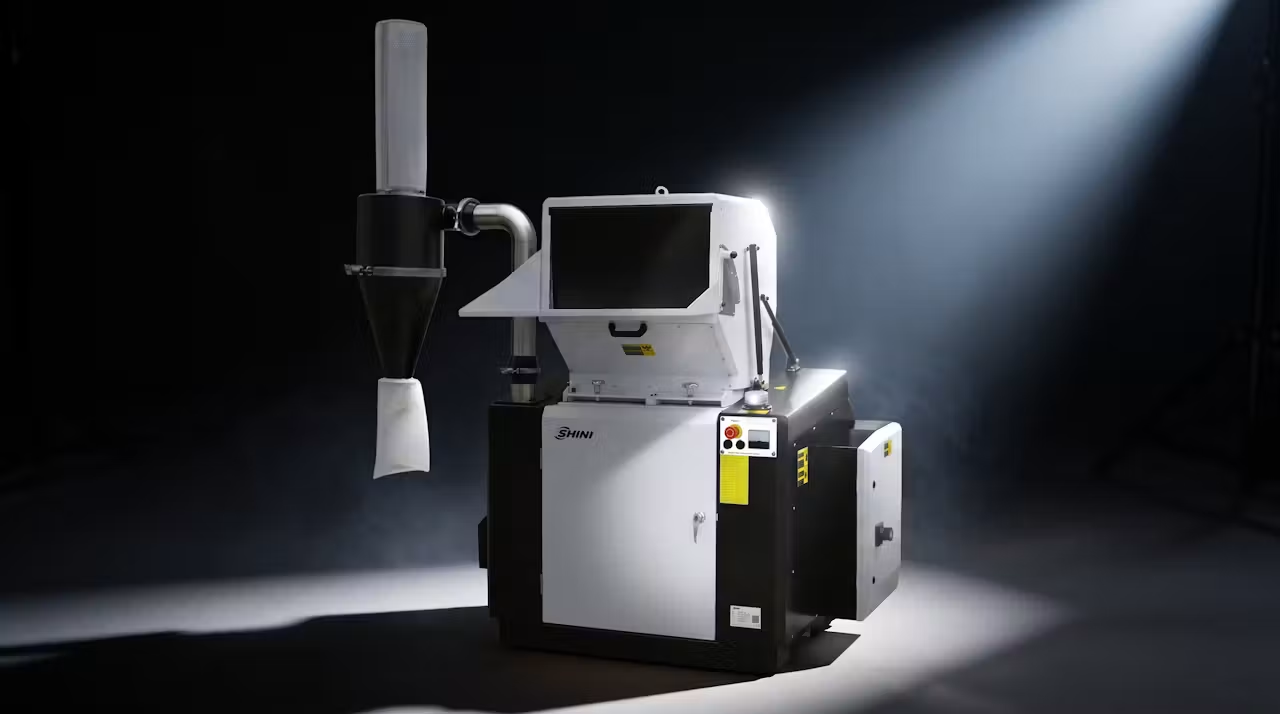
A plastic granulator is an ancillary machine that cuts plastic waste into small pieces commonly known as regrind or granulate. The machine normally uses rotating knives against fixed knives inside a cutting chamber. A screen, where fitted, controls the maximum particle size before the material leaves the chamber.
Granulators are used alongside injection moulding machines, extrusion lines and central recycling areas. Their role is bulk reduction and material recovery rather than melting the plastic or turning it into finished pellets.
How Does a Plastic Granulator Work?
- Plastic waste is fed into the hopper by an operator, conveyor or robot.
- The material enters a guarded cutting chamber.
- Rotating knives pass fixed knives and cut the plastic into progressively smaller pieces.
- Material small enough to pass through the screen leaves the cutting chamber.
- The regrind is collected in a bin or transferred to another material-handling system.
Screenless machines work differently. They typically use low-speed cutters and sizing teeth to produce a controlled regrind without a conventional screen.
What Types of Granulator Are Available?
Beside-the-machine granulators
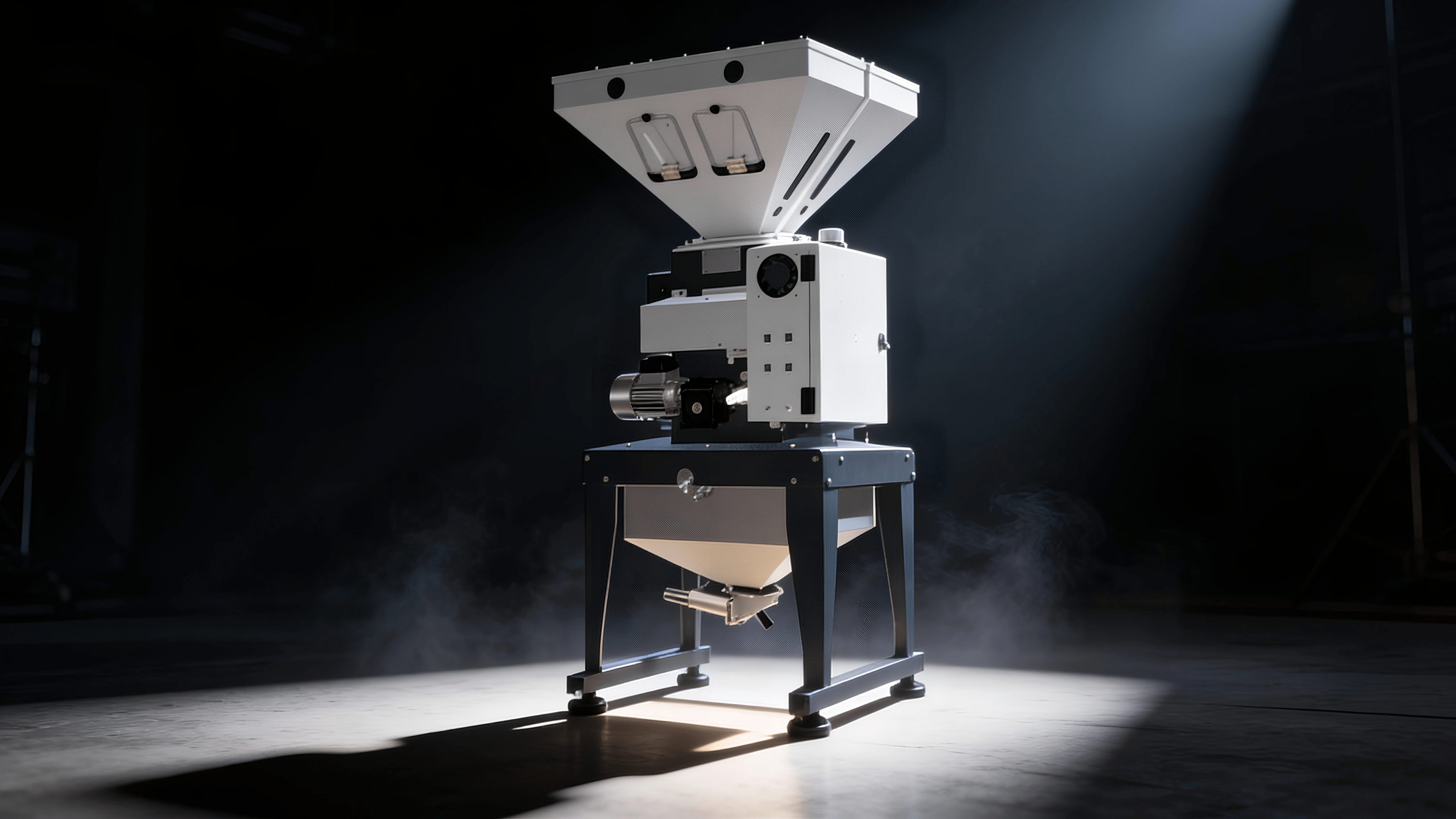
Compact low-speed or screenless granulators can sit next to an injection moulding machine. They are often paired with a sprue picker or conveyor so that clean production waste can be processed close to its source.
Standard central granulators
Larger machines serve several production cells or a central recycling area. They accept higher throughputs and a wider range of rejected parts, but require more floor space and a planned waste-handling process.
Heavy-duty and specialist granulators
Thick-walled components, large mouldings, pipes and profiles may need higher-powered equipment, larger feed openings or a machine designed for the shape of the waste.
Why Use a Granulator?
- Reduce the volume of plastic waste and the space needed to store it.
- Recover clean sprues, runners and rejected parts for potential reuse.
- Lower waste-disposal and virgin-material costs where regrind can be reintroduced.
- Support a more controlled and measurable recycling process.
- Automate waste handling when combined with robots, conveyors and loaders.
How Do You Choose the Right Granulator?
Selection should be based on the material, part size, wall thickness, required throughput and desired regrind quality. Noise, dust, cleaning frequency, blade access and the method of feeding and collecting material also matter. The granulator should be sized for peak waste generation, not only the average.
Regrind should be kept clean and segregated. Before it is returned to production, manufacturers should confirm an acceptable regrind percentage for the material, product and customer specification.
A Practical Route to Better Material Recovery
The right granulator can turn a disposal problem into a controlled material stream. Shini UK supplies screenless, low-speed, standard central, large central and pipe granulators for different plastics-processing applications. Speak to the Shini UK team to assess your waste type, throughput and factory layout.